
Tips for trips by car, plane, and cruise ship
Family trips are possible with Lennox-Gastaut syndrome (LGS). A few tips and a little extra planning make travel safer, calmer, and more fun for everyone.
Before You Go
- Know what is typical. Keep the seizure diary up to date so you can spot what is unusual while away.
- Update the Seizure Action Plan with rescue doses for current weight. Give a copy to every adult on the trip or keep it in a known shared location for easy access when needed. Make sure every adult knows seizure first aid.
- Identify accommodations for specific needs such as diet, mobility, and places to recover after a seizure.
- Protect sleep and routine. Missed sleep, stress, heat, and skipped meals can trigger seizures. Leave extra time, plan rest days, and pack comfort items like headphones and favorite snacks.
- Carry a medical ID card that says “Epilepsy” with an emergency contact. Fill out the Medical ID Information on your phone, this allows first responders to see it even if the screen is locked.
- Check coverage. Ask about early refills and care away from home. For trips abroad or cruises, get travel insurance with medical evacuation and list epilepsy as a pre-existing condition.
- Know your rights. U.S. disability laws (the Americans with Disabilities Act and the Air Carrier Access Act) protect travelers with epilepsy at airports and on planes, trains, buses, and cruise ships.
- Adults with LGS and legal paperwork. Caregivers should carry guardianship or healthcare proxy documents so they can make decisions at an unfamiliar ER.
 Consult Your Doctor

Talk with your care team 4 to 8 weeks ahead, ask about:
- Any precautions you should take during your trip.
- Time zone changes, early refills, rescue medicine for the trip, and whether new medicines (like for motion sickness) are safe.
- Whether flights or high-altitude destinations need any precautions.
- Request a letter explaining your condition, the medications you take, and any implanted device
- Request an electronic copy of your medical records to carry with you, in case you need to seek treatment while out of town.
- Vaccinations, depending on where you’re traveling to, you may need to get certain vaccines. Your doctor can recommend the proper vaccines that are safe for you.
- How to contact them in case of emergency.
Build a Travel Folder
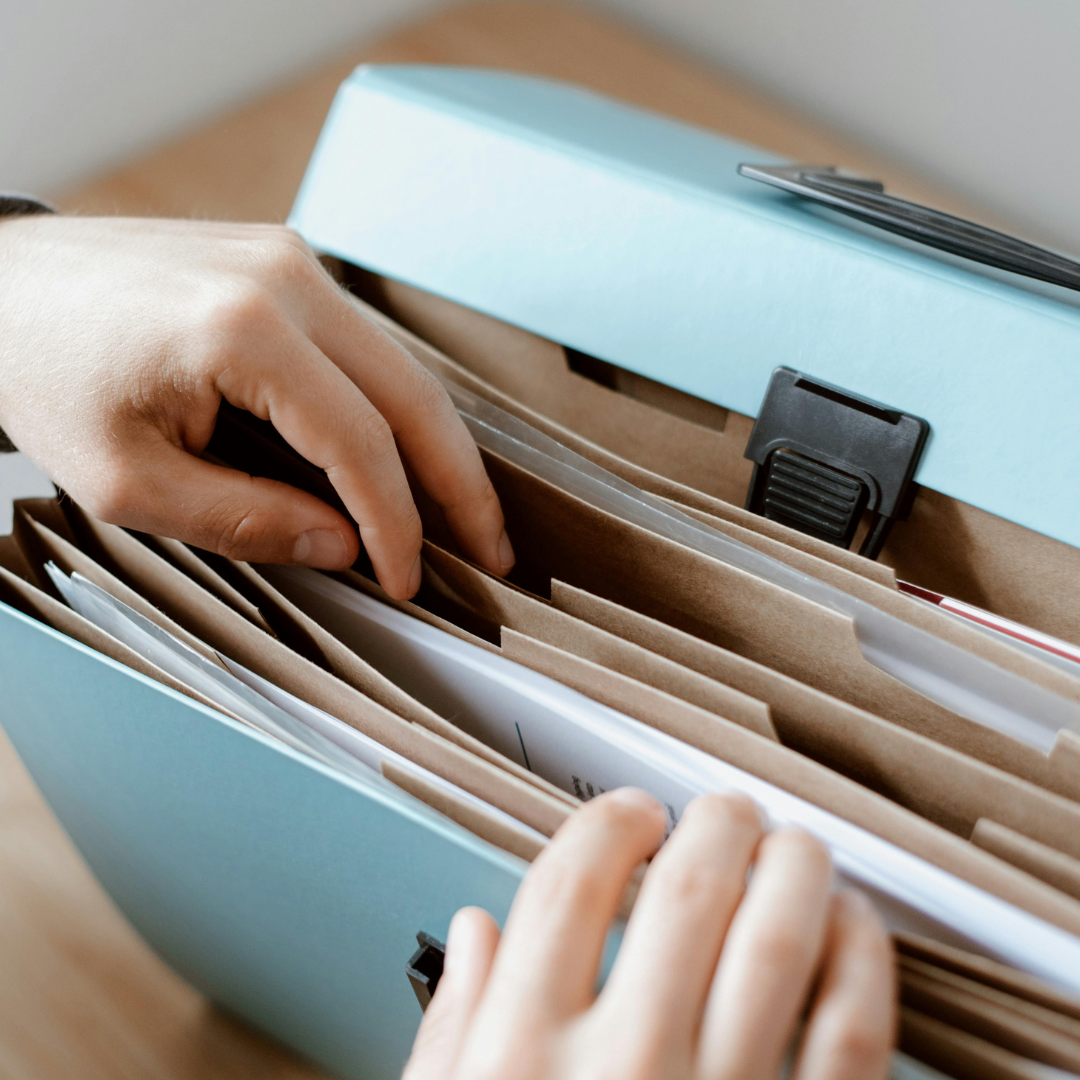
Keep a paper copy in your carry-on and photos or PDFs on your phone. Include:
- Name, age, weight, and diagnosis
- Medication names, doses, times, and how to store them in both hot and cold climates
- The Seizure Action Plan, plus notes on what has and has not worked
- Requested doctor’s letter.
- Copies of prescriptions and insurance cards
- Phone numbers for your neurologist, pharmacy, emergency contact, and the nearest hospital where you are staying
- Going abroad? An “I have epilepsy” card in the local language.
 Packing Medicines and Supplies
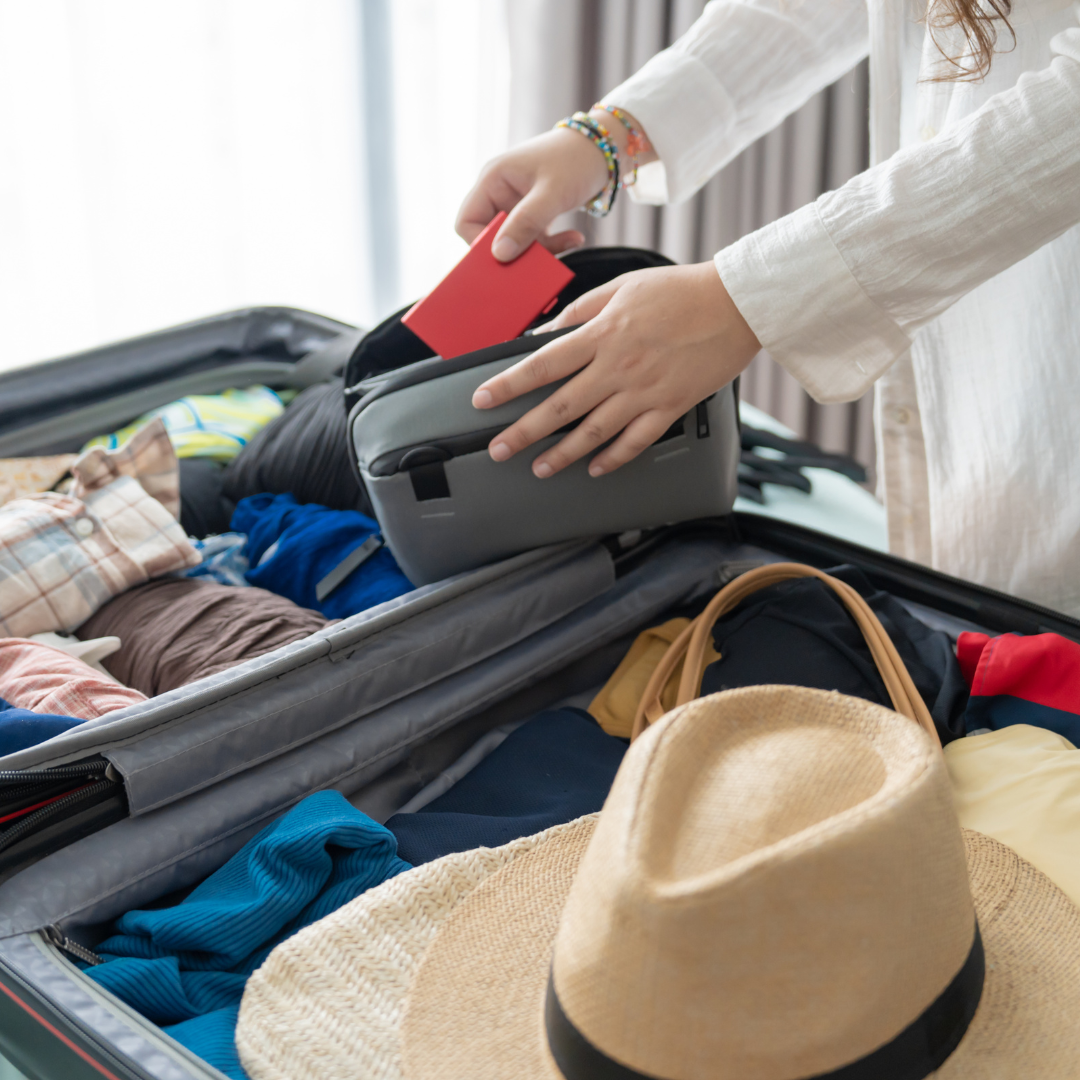
- Carry them with you. Daily and rescue medicines go in your carry-on, never in checked bags.
- Keep the extra supply separate from the main supply in case one of your bags is lost or stolen.
- Pack extra. Refill 1 to 2 weeks early. Pack for the whole trip plus 3 to 4 extra days, and a spare rescue dose.
- Keep original pharmacy labels to make security and customs easier.
- List medicines by generic name, since brand names differ abroad.
- Keep them close. Wear medicines in a fanny pack or small backpack and never set the bag down. Slip in a Bluetooth tracker (such as an AirTag).
- Going abroad? Some LGS medicines, such as clobazam and benzodiazepine rescue medicines, are controlled in many countries. Check with the embassy of every country you visit or connect through, and carry your prescriber’s note.
- Medical CBD rules differ by state and country, even with a prescription. Check TSA and local laws before you pack.
- Pack the extras: keto meals in a cooler bag, water and snacks, more than one VNS magnet, seizure monitor and chargers, and a helmet for drop seizures.
Traveling by Car
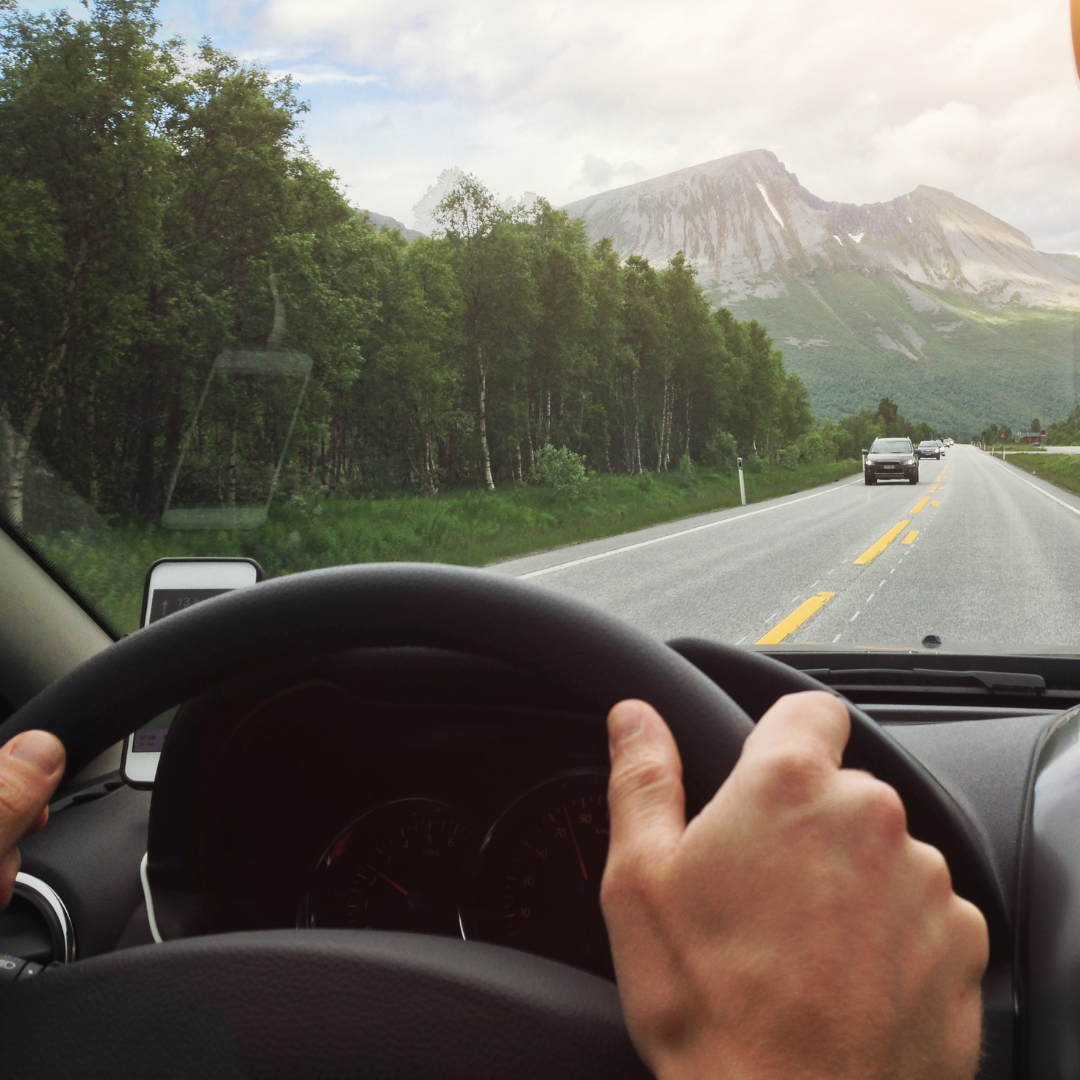
Road trips let you set the pace and stop right away if a seizure happens.
- Seat a helper beside your loved one so the driver can keep their eyes on the road.
- Keep the rescue kit within reach, not in the trunk or glove box.
- Keep medicines cool. Store them in the air-conditioned cabin, out of direct sun, and bring them inside overnight.
- Use the right safety restraint every ride. Ask your care team about adaptive car seats or travel vests if needed.
- Plan regular stops for doses, meals, and stretching, and switch drivers before anyone gets too tired. Note hospitals along your route.
- AAA members can request help with route planning and identifying hospitals.
 Traveling by Plane
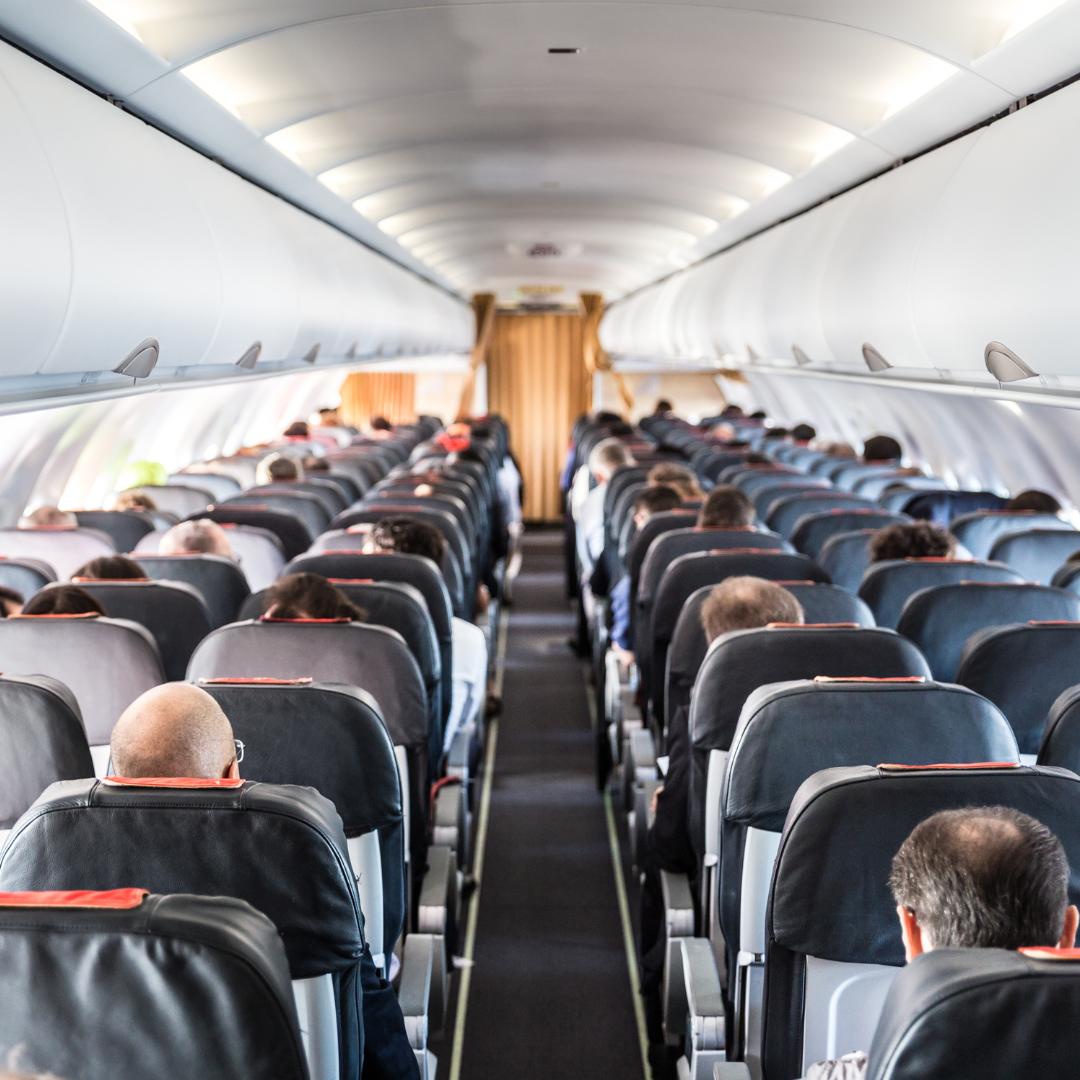
- Call TSA Cares at (855) 787-2227 at least 72 hours before you fly. Ask for a Passenger Support Specialist, an officer trained to help families through security.
- Declare medical liquids. Medicines, formula, and diet drinks over 3.4 oz are allowed. Take them out and tell the officer before screening. TSA allows ice packs for medical items.
- Show VNS or RNS ID cards. You can ask for a pat-down instead of the scanner. The scanners will not damage the device, but they can trigger false alarms that cause stressful delays.
- Call the airline’s disability desk about pre-boarding, seats together near the front, an empty seat beside your loved one if possible, and gate-checking an adaptive stroller or wheelchair.
- Choose nonstop flights and roomy layovers, and skip overnight flights if missed sleep is a trigger.
- Watch the clock. Set phone alarms on home time, and shift dose times over 2 to 3 days as your neurologist advises.
- Mobility Equipment Protection. When gate-checking an adaptive stroller or wheelchair, take a timestamped photo of it at the gate. Attach a highly visible tag that reads: “Medical Equipment: Do Not Separate Parts / Do Not Collapse.” If it is damaged by the airline, U.S. law requires them to pay 100% of the repair or replacement cost.
- The “Right to Sit Together”. Under Department of Transportation guidelines, U.S. airlines are required to ensure that a child or dependent adult with a disability is seated directly next to their designated caregiver at no additional charge, even if basic economy tickets were purchased.
- Decide what to share. It is not necessary to pre-warn airlines about your epilepsy ahead of time. If a seizure happens, your companion gives the prescribed rescue medicine, and you alert the crew if it doesn’t work. The airline may divert the flight or ask for a doctor’s note before you can continue.
Traveling by Cruise Ship

- Call the cruise line’s accessibility team prior to booking. Ask about an accessible cabin, a fridge for medicines or special foods, diet needs, and help with boarding and the safety drill. Get what they agree to in writing.
- Room Safety. Request a ground-floor room or a room close to the elevators to minimize long, unsafe walks. Ask the cruise to remove any sharp-edged glass coffee tables or cover them with corner guards.
- Know the limits. The ship’s medical center is a clinic, not a hospital. It may not stock your loved one’s medicines, care costs extra, and many health plans do not pay at sea. Meet the medical team on day one and share the Seizure Action Plan.
- Carry medicines on boarding day. Bags can take hours to reach your cabin. Lock spares in the cabin safe and write down the code.
- Arrive in the port city a day early so a flight delay does not cost you the ship, and ask your neurologist before using seasickness medicine.
- Stay within arm’s reach at pools and beaches. Never let your loved one swim alone.
- Consider purchasing travel insurance offered for the cruise
- On shore days, bring the rescue kit and know where the nearest hospital is.
Trains, Buses, and Rideshares
- Keep medicines on your body, and check seats and racks before you get off.
- On platforms, have an adult stand between your loved one and the edge, especially if they wander or have drop seizures.
- Tell the conductor or driver what to do if a seizure happens.
In Case of Emergency
Many seizures in LGS are not emergencies. Your Seizure Action Plan tells you which ones are, so follow it first.
- Stay calm and close, and time the seizure.
- Safe: for a drop or stiffening seizure, gently help them to the floor and move hard or sharp things away. Never hold them down or put anything in their mouth.
- Side: if they are not awake, turn them onto their side to keep the airway clear.
Call for emergency help if:
- A seizure lasts longer than 5 minutes, or longer than your plan allows.
- Seizures repeat without waking up in between, or rescue medicine does not work.
- Breathing is hard, there is a serious injury, or the seizure happens in water.
- Know the number: 911 in the U.S., Canada, and Mexico, 112 in the European Union, and 999 in the U.K. Save the local number before you arrive.
- At an ER: bring your travel folder. You know your loved one best, so speak up.
- Abroad: sign up for the State Department’s STEP program so the nearest U.S. embassy can reach you.
Resources and Tools
- LGS Foundation: Seizure Action Plan templates, Find a Doctor, and family support at familysupport@lgsfoundation.org or (718) 374-3800
- Medicines abroad: CDC Traveling Abroad with Medicine and INCB country rules
- Epilepsy Foundation 24/7 Helpline: 1-800-332-1000 (Spanish: 1-866-748-8008) and seizure first aid training
- TSA Cares: (855) 787-2227 or tsa.gov/travel/passenger-support
- Epilepsy Support Network of Orange County: seizure first aid training at 714-916-0456 or esnoc.org
- International Society of Travel Medicine: directory of English-speaking doctors abroad.
- US Department of Transportation: report complaints alleging discriminatory treatment of disabled travelers
Request information and materials
Updated 10/30/26 (AM)