
 Is My Surgeon Qualified?
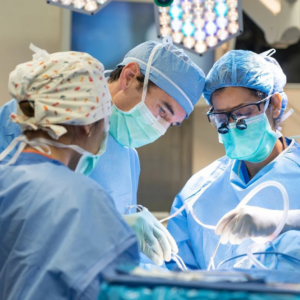
All surgeons must be licensed by their state. Some hospitals also require extra certifications. For children, you’ll want a doctor who has specialized training in brain surgery specifically for kids. Brain surgery in children requires extra care because children have less blood than adults, so surgeons need to be experienced in managing this safely. There are currently no national standards that define what makes someone an “experienced pediatric epilepsy surgeon.” Being board-certified doesn’t always mean a surgeon has specific experience with children’s epilepsy surgeries. Don’t hesitate to ask about their experience directly.
Understanding Epilepsy Center Levels
Epilepsy centers are rated on a scale of 1 to 4 by the National Association of Epilepsy Centers (NAEC). Here’s what each level means:
- Level 1 – Basic care, like an emergency room or your family doctor
- Level 2 – A visit with a general neurologist
- Level 3 – A specialized center that can diagnose and treat hard-to-control epilepsy, with some surgical options
- Level 4 – The highest level of care, offering the full range of treatments and surgeries for complex epilepsy
We recommend seeking care at a Level 4 pediatric epilepsy center. That said, not all Level 4 centers are the same, some perform 100+ surgeries a year, while others do very few. It’s worth asking how many procedures they perform.
Find a Comprehensive Care Center
Do I Have to Commit to Surgery Just by Meeting a Surgeon?
No. Meeting with a surgeon is just about getting information. It helps you understand whether surgery is an option and what it would involve. You are not agreeing to anything by having a consultation.
Should I Get a Second Opinion?
Yes. Many families seek a second opinion, especially when considering brain surgery. Because ongoing seizures can affect development and safety, let your medical team know you want another opinion so records and appointments can be coordinated without unnecessary delays.
The information here is not intended to provide diagnosis, treatment, or medical advice and should not be considered a substitute for advice from a healthcare professional. The content provided is for informational purposes only. LGS Foundation is not responsible for actions taken based on the information included on this webpage. Please consult with a physician or other healthcare professional regarding any medical or health related diagnosis or treatment options.
Updated 09/08/26 (KK)