
 For families living with Lennox-Gastaut Syndrome (LGS), every day can feel like a battle against the unpredictable. New research is moving beyond traditional surgery and heavy prescriptions, opening a path toward non-invasive options that could fundamentally change how we treat LGS.
A breakthrough collaboration between the Focused Ultrasound Foundation and CURE Epilepsy is taking a giant leap towards new treatment. What makes this story truly special, however, is where it all began: with a “seed” planted by the LGS Foundation.
From a Small Seed to a Big Breakthrough
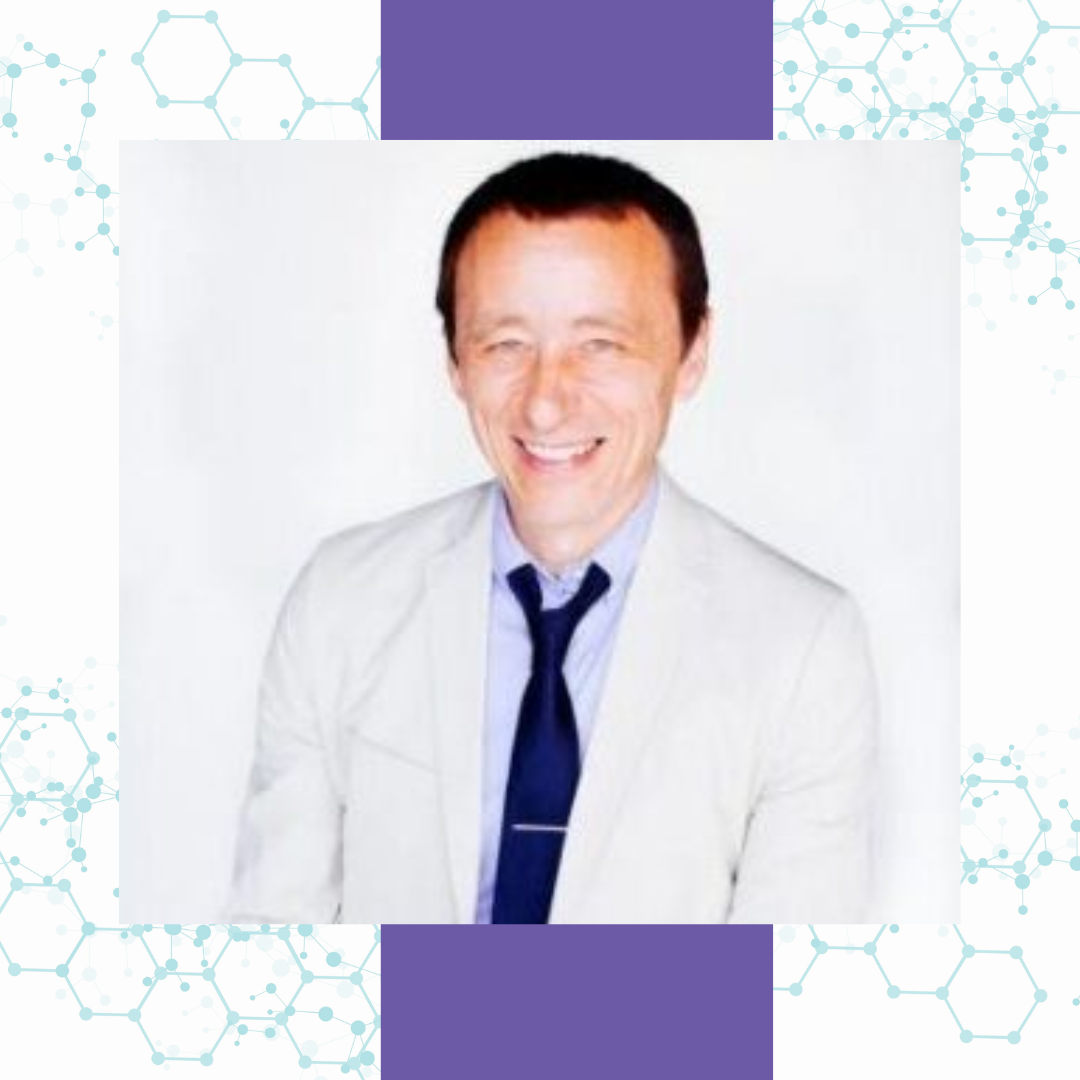
The LGS Foundation did exactly that. We awarded a Cure LGS 365 Research Grant to Dr. Ivan Soltesz and Dr. Ryan Jamiolkowski (Stanford University). This initial “seeding grant” was designed to explore a radical idea: Could we use sound waves called Focused Ultrasound to stop seizures deep in the brain without ever picking up a scalpel or brain surgery? Focused ultrasound is a noninvasive technology that applies ultrasound waves focused through the skull to brain regions involved in seizure generation or propagation.
Because of that early investment by the LGS Foundation, the Dr. Soltesz’s research team was able to prove the potential of their work, reducing seizures in an LGS mouse model. That success has now directly blossomed into a significant new grant from the Focused Ultrasound Foundation and CURE Epilepsy. This is a perfect example of how the LGS Foundation is jumpstarting new treatments, by ensuring LGS-specific needs are at the forefront of this emerging technology and moving research from the lab closer to the clinic.
Looking Ahead: The Future of LGS Treatment
Focused ultrasound is used to treat a variety of illnesses. While there is still work to be done in using focused ultrasound to treat LGS, the trajectory is clear. This research could lead to clinical trials that offer a new, surgery-free treatment option for individuals with LGS. This investment path aligns with the LGS Foundation’s commitment to its 3 Grand Challenges, shifting from treatment that manage LGS to disease-modifying or reversing therapies.
Learn more about our Cure LGS 365 Research Grants.
Updated 06/01/26 (AM)