
2024 Grant Recipients – Aditi Trivedi, Anthony Fine, & Juliet Knowles
North American Consensus for the Diagnosis and Management of Lennox-Gastaut Syndrome

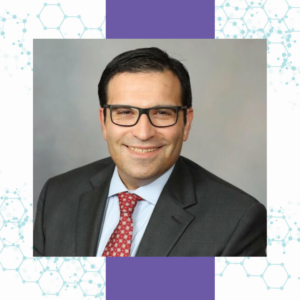
Anthony Fine, MD
Mayo Clinic

Juliet Knowles, MD, PhD
Stanford University School of Medicine
Highlights:
-
To date, expert consensus recommendations for the care and treatment for LGS patients significantly vary from one another.
-
A broad, systematic and comprehensive study to establish consensus recommendation on all aspects of LGS treatment, including pharmacological, surgical, neuromodulation and dietary approaches is needed.
-
Aimed to provide consensus on comprehensive LGS management including: (1) diagnostic criteria for LGS in adults; (2) recommendations for etiological investigation for LGS across the lifespan; (3) prophylactic antiseizure medication management, (4) management of convulsive and nonconvulsive status epilepticus, (5) nonpharmacological treatments (surgical, neuromodulation and dietary) and (4) considerations about treatment in childhood and adulthood.
-
Consensus opinion will be achieved through: (1) a scoping review of pharmacological and nonpharmacological treatment of LGS across the lifespan and (2) a Delphi process of North American experts to formulate diagnostic and treatment recommendations.
- Aimed to establish a roadmap for caregivers and medical professionals on LGS treatment.
Results: Grant in Progress
Results will be shared when the grant is completed.
Lay Abstract:
The care of people with Lennox-Gastaut syndrome (LGS) can be significantly variable in terms of diagnosis and management. Notably ~90% of people with LGS have drug resistant epilepsy, and variation of care likely contributes to this poor outcome. Clinical trials have shown efficacy of certain drugs as add-on therapy, but there are no head-to-head drug studies. Previous expert consensus recommendations for first, second, or third line treatments in LGS have been published However, these recommendations differ from each other, potentially leading to confusion in the field. Furthermore, recent consensus recommendations for LGS have focused primarily on medical therapies, whereas emerging data indicate the important role of surgical, neuromodulation and dietary approaches. Additionally, prior recommendations have not substantially considered how LGS treatment may vary across the lifespan. Here, we propose to complete ongoing work that includes (1) a scoping review of pharmacological and nonpharmacological treatment of LGS across the lifespan and (2) a Delphi process of North American experts to formulate diagnostic and treatment recommendations.
The overarching goal of this of this project is to provide consensus on comprehensive LGS management including: (1) diagnostic criteria for LGS in adults; (2) recommendations for etiological investigation for LGS across the lifespan; (3) prophylactic antiseizure medication management, (4) management of convulsive and nonconvulsive status epilepticus, (5) nonpharmacological treatments (surgical, neuromodulation and dietary) and (4) considerations about treatment in childhood and adulthood.
 The LGS Foundation accepts unsolicited proposals year-round to seed new basic, translational, and clinical research projects on LGS. Projects may be funded at the $25,000, $50,000, or $75,000 level.
Updated 05/06/26 (KK)